- Faith Activist
- Posts
- Christ, the Rock
Christ, the Rock
How Paul’s Typology in 1 Corinthians 10 Refutes the Myth of a Moveable Well.
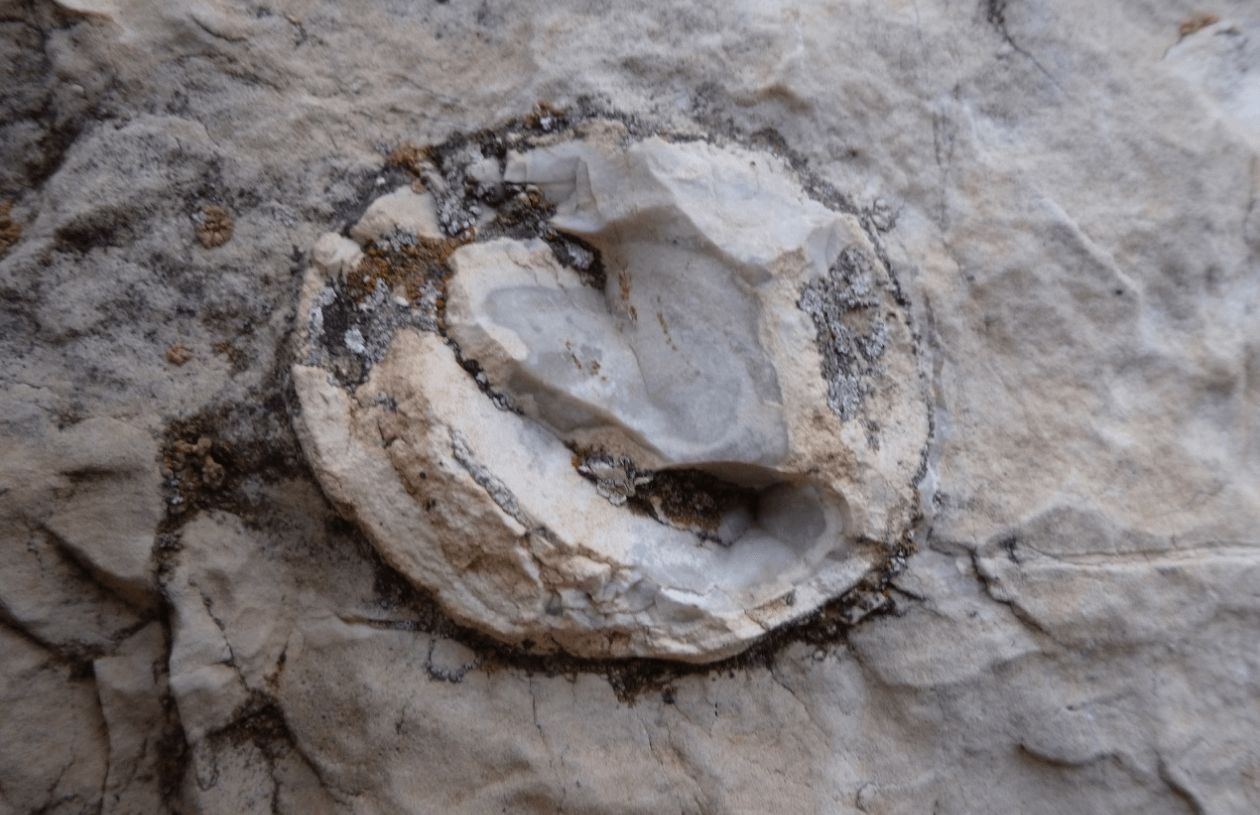
In 1 Corinthians 10:4, the Apostle Paul wrote something that has puzzled many modern readers: “They drank from the spiritual Rock that followed them, and the Rock was Christ.” For Peter Enns, this became an "aha moment" a reason to question the traditional evangelical method of interpreting Scripture. Enns argued that Paul believed an ancient Jewish myth about a literal rock that rolled through the desert, following the Israelites. To him, this exposed the apostle’s method as pre-modern, mystical, and flawed.
But was Paul truly endorsing a wandering stone? Or was he, like Moses and the Old Testament prophets before him, speaking in spiritual and typological terms that enrich rather than diminish the Gospel message? A careful examination reveals that Paul’s intent was not to perpetuate myth but to highlight the deep continuity between the Old and New Testaments, and the centrality of Christ in both.
The Old Testament Foundations
In Exodus 17:6, God tells Moses, “Behold, I will stand before you there on the rock at Horeb, and you shall strike the rock, and water shall come out of it, and the people will drink.” Notice God Himself stands on the rock. By striking the rock, Moses symbolically strikes God, who in turn provides life-sustaining water for His people. Later, in Numbers 20, a second striking of a rock occurs, but the Hebrew word for "rock" changes. This subtle shift from tsur to sela signals that these were not the same physical rocks. There’s no indication in the Pentateuch that a literal rock trailed the Israelites for forty years.
Further, Moses repeatedly refers to God as the Rock in Deuteronomy 32, calling Him “the Rock, his work is perfect” (v.4), and “the Rock of his salvation” (v.15). He even speaks poetically of honey and oil flowing from the rock (v.13), blending the imagery of physical provision with divine presence and blessing.
This rich language isn’t myth. It’s metaphor with profound theological purpose. It reveals God as the one who sustains His people not just physically, but spiritually.
The Spiritual Rock and the Presence of Christ
Paul refers to this rock as a “spiritual Rock.” The term “spiritual” (pneumatikē) doesn’t refer to something imaginary but something divinely given. Just as the manna and water in the wilderness were supernaturally provided, so too was the presence of Christ with Israel during their journey.
The early church understood this. Deuteronomy, the Psalms, and Isaiah often portray God as the Rock of salvation. Psalm 78:20 says, “He struck the rock so that water gushed out,” and just 15 verses later, it says, “They remembered that God was their rock.” In other words, the physical events of the wilderness were pointing to deeper truths truths fulfilled in Christ.
This interpretive thread is consistent throughout the Old Testament. Isaiah 48:21 declares, “They did not thirst when he led them through the deserts; he made water flow for them from the rock.” And Psalm 105:41 reaffirms, “He opened the rock, and water gushed out; it flowed through the desert like a river.” These aren't myths they are testimonies to divine provision, grounded in history, and saturated with prophetic hope.
Jesus and the Fulfillment of the Exodus
When Jesus stands in the temple on the last day of the Feast of Tabernacles and cries out, “If anyone thirsts, let him come to me and drink” (John 7:37), He is stepping directly into the Exodus story. This feast remembered God’s provision in the wilderness including water from the rock.
John’s Gospel is filled with Exodus imagery. Jesus is the true bread from heaven (John 6), the light of the world (John 8:12), and the one from whom living water flows. When Jesus was pierced on the cross, blood and water flowed from His side (John 19:34). This echoes the stricken rock and confirms that Jesus is the source of spiritual life.
Indeed, Jesus becomes the fulfillment of everything the rock symbolized. He is the stricken Savior who pours out living water the Holy Spirit to all who believe (John 7:39). Just as God provided for Israel in the wilderness, He now provides for His Church through Christ.
Paul’s Typological Teaching in 1 Corinthians
Far from endorsing an obscure myth, Paul is using a method deeply rooted in Scripture itself: typology. He calls the experiences of Israel “examples” or types (Greek: tupos) in 1 Corinthians 10:6, 11. Just as Israel passed through the sea and received spiritual food and drink, so the Corinthians have been baptized and partake in the Lord’s Supper.
Paul warns them not to fall into the same sins that destroyed many in the wilderness. His point is not that a rock literally followed Israel, but that Christ the true Rock was with them, sustaining them spiritually, just as He is with the Church now.
The physical rock was not mobile. But God the Rock was present and faithful, even when the people were not. This is the message Paul is affirming.
The Rock Was Christ
In saying “the Rock was Christ,” Paul identifies Jesus with Yahweh the God of the Exodus. He affirms the unity of God’s work throughout history. From the smitten rock in the wilderness to the pierced Savior on the cross, the story is the same: God provides for His people, not because they deserve it, but because He is faithful.
Jesus is the true Rock. He was struck for our transgressions, and from Him flows living water the Holy Spirit who dwells within all who believe. This is no myth. It is the heartbeat of biblical theology, running from Moses to the prophets, to the Psalms, through the Gospels, and into the epistles.
The church recognized this truth and received Paul’s letters not as myth-laden speculation but as Spirit-inspired Scripture. And the message endures today.
Let all who thirst come to Christ and drink. He is not just the Rock of the past. He is the Rock of salvation now and forever.
share this message or subscribe to our newsletter for more on how Christ fulfills the Scriptures.
Reply