- Faith Activist
- Posts
- Nine Christmas Myths Many Christians Believe
Nine Christmas Myths Many Christians Believe
Not everything we think we know about the birth of Jesus actually comes from the Bible.
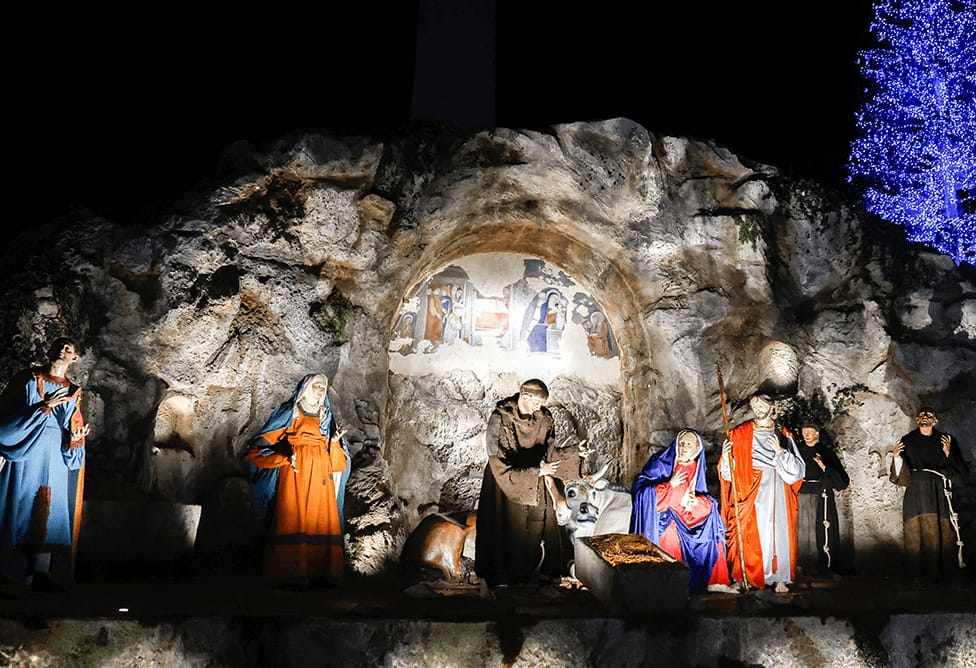
Christmas remains one of the most cherished times of year for believers around the world. It’s a season of joy, worship, and reflection on one of the most profound truths in Scripture: the Incarnation. The Word became flesh and dwelt among us (John 1:14), fulfilling ancient prophecies and setting into motion the salvation plan that would culminate at the cross.
But while our hearts rightly turn to Bethlehem, our imaginations often wander further than Scripture does. Over time, many well-meaning traditions and embellishments have crept into our Christmas narratives so much so that even seasoned Christians can struggle to separate biblical truth from festive folklore.
Here are nine common myths many Christians believe about Christmas and why it's important to know the difference.
1. Jesus Was Born on December 25
Despite the annual celebration, the Bible doesn’t provide a specific date for Jesus’ birth. December 25 was chosen centuries later, possibly to counter pagan Roman festivities or to correspond with a traditional date for Christ’s conception. What Scripture does make clear is not the date, but the miracle of the virgin birth and the fulfillment of prophecy (Isaiah 7:14; Luke 1:26–38).
2. Mary Rode a Donkey to Bethlehem
Luke 2:1–6 records Mary and Joseph’s journey to Bethlehem, but it never mentions a donkey. It’s certainly possible that Mary rode one, considering the 65-mile journey, but Scripture is silent. This detail was likely added for narrative flair. Still, we can admire Mary’s courage and endurance, traveling while pregnant under difficult conditions.
3. There Were Three Wise Men
Matthew 2:1–12 tells of wise men (or magi) visiting Jesus, but it doesn’t specify how many. The assumption of “three” comes from the three gifts: gold, frankincense, and myrrh. However, there could have been many more. These men were likely scholars or astrologers from the East, and their arrival likely happened months after Jesus was born, not the same night.
4. A Star Hovered Over the Manger
Popular nativity scenes often depict a star beaming directly over the stable the night Jesus was born. But Matthew 2 says the star led the wise men first to Jerusalem, then to Bethlehem (Matthew 2:9–10). Jesus may have been a toddler when they arrived. There’s no biblical account of a star shining over the manger on the night of His birth.
5. Jesus Was Born in a Barn or Stable
We’re told Jesus was laid in a manger because there was no room at the inn (Luke 2:7), and we assume that means a barn. But in first-century Jewish culture, animals were often kept in the lower level of homes at night. It’s possible Jesus was born in a crowded family home or even a cave, not a wooden barn as often depicted.
6. The Little Drummer Boy Was There
As heartwarming as the classic carol may be, there’s no biblical mention of a drummer boy at the nativity or of any musical performances, for that matter. It’s a fictional character from a 20th-century song, not from the biblical account.
7. Jesus Was Born in 0 A.D.
Due to a miscalculation by a 6th-century monk, Jesus was likely born between 4 and 6 B.C. Matthew 2:1 places Jesus’ birth during the reign of King Herod, who died around 4 B.C. Since Herod ordered the death of children up to age two (Matthew 2:16), Jesus’ birth was probably a few years earlier than commonly thought.
8. “Xmas” Is an Attempt to Remove Christ
Many Christians feel alarmed when they see “Xmas” instead of “Christmas.” But this abbreviation actually has Christian roots. In Greek, the first letter of Christ’s name is “Chi” (Χ), and early Christians used it as a symbol. So “Xmas” is not inherently disrespectful it’s a historical shorthand, not a modern attempt to erase Jesus.
9. Saying “Happy Holidays” Removes Christ from Christmas
While some use “Happy Holidays” for secular reasons, the word “holiday” itself comes from “holy day.” For believers, every day is made holy because of the birth, death, and resurrection of Christ. Christmas is indeed a holy day but it’s not the only one. Christians can still joyfully use “Happy Holidays” without compromising the faith.
Why the Truth Matters
So why do these myths matter?
Because truth matters.
While these traditions may seem harmless, confusing folklore with Scripture can slowly erode our grasp on the actual gospel narrative. The wonder of Christmas is already extraordinary: God became man. The Creator stepped into His creation. He came not with fanfare, but in humility. That alone is more awe-inspiring than any dramatized addition we could imagine.
By returning to Scripture, we ensure that our worship is grounded not in sentiment, but in truth (John 4:24). We also safeguard the integrity of our witness, especially for those seeking to understand the real Jesus.
So, as you celebrate Christmas this year, reflect on the miraculous truths of the Incarnation, and enjoy the season’s traditions just be sure to know where the Word ends and the extras begin.
Want to help others rediscover the wonder of the real Christmas story? Share this article or subscribe to our newsletter for more truth-rooted reflections in your inbox.
Reply