- Faith Activist
- Posts
- Finding True North When Lost
Finding True North When Lost
Spiritual navigation requires more than just a landmark; it demands an internal compass calibrated by faith.
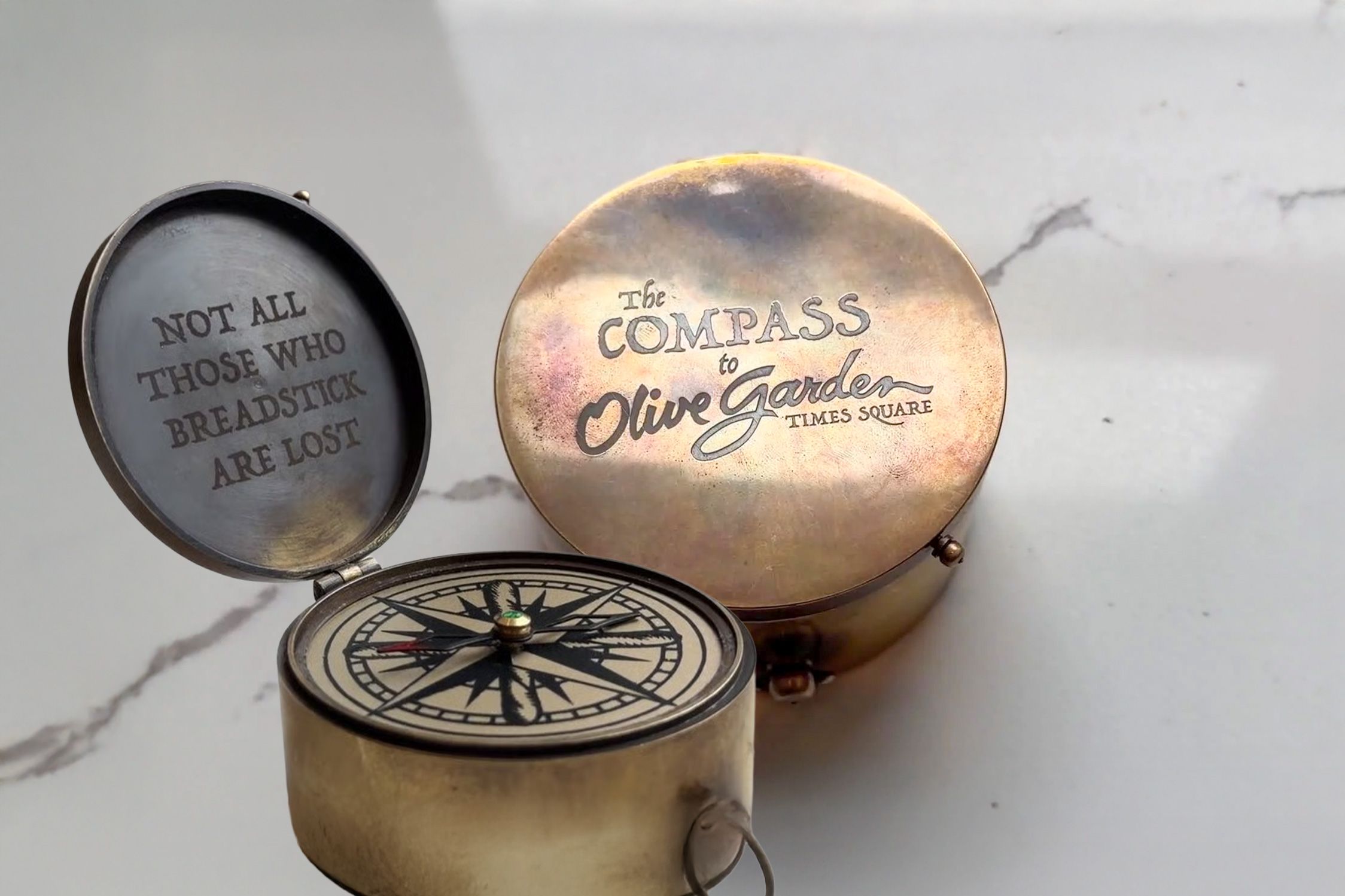
Navigating the Labyrinth of Life
Life often feels like wandering through a vast, unfamiliar city. We start with a destination in mind, a clear path laid out before us. Perhaps it's a career goal, a relationship milestone, or a spiritual aspiration. But then, detours appear. Unexpected roadblocks force us to reroute. The once-familiar streets become a confusing maze of choices and uncertainties. We lose our bearings, and the initial sense of purpose fades into a frustrating feeling of being lost. What do we do when our internal GPS malfunctions, and we can no longer discern the true north of our lives?
We’ve all been there, haven't we? That moment when the map we carefully crafted no longer aligns with the reality before us. The landmarks we relied on, those seemingly permanent fixtures of our existence, shift and crumble, leaving us disoriented and vulnerable. In those moments, it’s tempting to latch onto any signpost, any semblance of direction, even if it leads us to a fleeting, ultimately unsatisfying destination. We might convince ourselves that this new path is the right one, simply because it offers a temporary escape from the discomfort of being lost. But true fulfillment, lasting peace, and genuine purpose are rarely found in these convenient detours. They require something deeper, something more enduring.
The Bible reminds us in Proverbs 16:9, "In their hearts humans plan their course, but the Lord establishes their steps." This verse isn't a dismissal of our plans or aspirations; it's an invitation to acknowledge a higher power in guiding our journey. It's a recognition that our finite understanding is often limited, and that true north lies not in our self-defined destinations, but in aligning our will with God's divine plan.
Beyond Temporary Landmarks: The Power of Internal Guidance
Imagine relying solely on a specific restaurant, a familiar chain in a bustling city, as your only point of reference. It might seem reliable at first, a constant in a world of change. But what happens when that restaurant moves, closes down, or simply loses its appeal? Suddenly, your entire sense of direction is thrown into disarray. This analogy speaks to the danger of placing our faith in temporary, external landmarks. A job title, a social circle, material possessions, even certain relationships can become these kinds of unreliable compass points. They can provide a momentary sense of security and direction, but they are ultimately susceptible to change and disappointment.
The key to navigating life's complexities lies not in finding a permanent external landmark, but in cultivating an internal compass, a source of guidance that is unwavering and true. This compass is our faith, our connection to something bigger than ourselves. It's nurtured through prayer, scripture reading, and a conscious effort to align our thoughts and actions with God's will. When we prioritize this internal connection, we develop a spiritual intuition, a sense of knowing that transcends logic and reason. This intuition allows us to discern the right path, even when the external landscape is confusing and uncertain.
Consider the story of Joseph in the Old Testament. Sold into slavery, falsely accused, and imprisoned, his circumstances seemed bleak and hopeless. Yet, through it all, he maintained his faith and trusted in God's plan. He didn't rely on the temporary comforts of his surroundings or the fleeting approval of others. Instead, he cultivated an inner strength, a spiritual resilience that allowed him to navigate the treacherous currents of his life. Ultimately, his unwavering faith led him to a position of power and influence, where he was able to save his family and an entire nation from famine. His story reminds us that even in the darkest of times, our internal compass, guided by faith, can lead us to unexpected blessings.
Psalm 119:105 declares, "Your word is a lamp for my feet, a light on my path." God's word provides the illumination we need to navigate the often-murky roads of life. Just as a compass needle points towards magnetic north, the scriptures consistently point us toward truth, righteousness, and a deeper understanding of God's character. Regular immersion in the Bible helps us recalibrate our internal compass, ensuring that we are guided by divine wisdom rather than fleeting desires or societal pressures.
Embracing the Journey: Overcoming Fear and Uncertainty
Being lost can be frightening. It triggers feelings of vulnerability, anxiety, and a longing for the familiar. But it's important to remember that these feelings are normal. They are a natural part of the human experience. Instead of succumbing to fear, we can choose to embrace the journey, to see these moments of uncertainty as opportunities for growth and transformation. When we release our grip on control and surrender to God's guidance, we open ourselves up to unexpected blessings and profound insights.
One practical step in overcoming fear is to practice gratitude. Even in the midst of confusion and uncertainty, there are always things to be thankful for. Focusing on these blessings, no matter how small, can shift our perspective and fill us with a sense of hope. Keeping a gratitude journal, spending time in nature, or simply expressing appreciation to loved ones can help us cultivate a more positive and resilient mindset. Furthermore, connecting with a supportive community of faith can provide encouragement, accountability, and a sense of belonging. Sharing our struggles with others who understand and care can alleviate feelings of isolation and empower us to persevere.
Moreover, it's essential to remember that getting lost doesn't mean we've failed. It simply means we need to adjust our course. Sometimes, the detours we encounter are actually divine appointments, opportunities to learn valuable lessons, meet new people, or discover hidden talents. We may not understand the purpose of these unexpected turns in the road at the time, but with hindsight, we often see how they ultimately led us to a better place. As Romans 8:28 assures us, "And we know that in all things God works for the good of those who love him, who have been called according to his purpose."
Consider the apostle Paul's journey. He set out to preach the gospel in Asia, but the Holy Spirit prevented him from going there (Acts 16:6). Instead, he was led to Macedonia, where he planted churches and spread the message of Christ to a new audience. What seemed like a setback at the time was actually a strategic redirection, guided by God's divine hand. Similarly, our own detours may be leading us to uncharted territories, where we can make a unique and lasting impact.
The Compass of Compassion and Service
Our spiritual compass isn't just about personal navigation; it also guides us toward service and compassion for others. When we are attuned to God's will, we become more sensitive to the needs of those around us. We are moved to act, to offer a helping hand, to share our resources, and to speak out against injustice. This outward focus not only benefits others, but it also strengthens our own faith and deepens our sense of purpose.
Jesus exemplified this perfectly. He didn't just preach about love and compassion; he lived it. He healed the sick, fed the hungry, and comforted the brokenhearted. He challenged the status quo and stood up for the marginalized. His life was a testament to the transformative power of selfless service. As followers of Christ, we are called to emulate his example, to be a light in the darkness, and to use our gifts and talents to make the world a better place.
Micah 6:8 reminds us, "He has shown you, O mortal, what is good. And what does the Lord require of you? To act justly and to love mercy and to walk humbly with your God." This verse encapsulates the essence of a life guided by a true north compass. It's not enough to simply believe in God; we must also live out our faith in tangible ways, demonstrating justice, mercy, and humility in our interactions with others.
Re-Calibrating Our Compass: A Lifelong Pursuit
Finding true north is not a one-time achievement; it's a lifelong pursuit. Our internal compass requires constant recalibration, a regular return to the source of truth and guidance. This means prioritizing our spiritual disciplines, spending time in prayer and scripture, and seeking wise counsel from trusted mentors. It also means being open to feedback, willing to examine our own biases and blind spots, and committed to continuous growth and learning.
The journey of faith is not always easy. There will be times when we stumble, when we lose our way, when we feel overwhelmed by doubt and uncertainty. But even in those moments, we can find comfort in knowing that we are not alone. God is always with us, guiding us, and offering us the strength and wisdom we need to persevere. As we continue to cultivate our internal compass, we will become more resilient, more compassionate, and more aligned with God's divine purpose for our lives. And ultimately, we will discover that the true north we seek is not just a destination, but a way of being, a way of living that is characterized by love, joy, peace, and unwavering faith.
So, the next time you feel lost, remember that you have within you the power to find your way. Trust in the internal compass that is calibrated by faith. Surrender to God's guidance, embrace the journey, and allow yourself to be transformed by the process. For it is in those moments of uncertainty that we often discover our greatest potential and experience the deepest connection with the divine.
For more insights on faith, subscribe to our newsletter.
Reply