- Faith Activist
- Posts
- Good Friday: Hope Blooms From Brokenness
Good Friday: Hope Blooms From Brokenness
Even in suffering, grace offers a path to renewal and deeper faith.
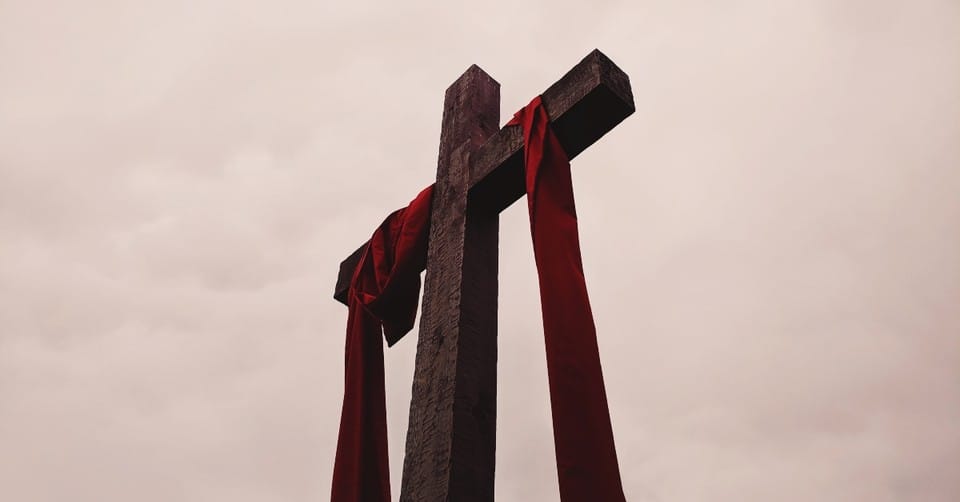
Remembering the Sacrifice, Embracing the Promise
Good Friday. The name itself seems paradoxical, doesn't it? How can a day marked by such profound suffering and apparent defeat be considered 'good'? The answer, of course, lies in the transformative power of faith, the unwavering belief that even in the darkest night, a new dawn is inevitable. It's a day etched in the hearts of Christians worldwide, a day to pause, reflect, and be profoundly moved by the immense sacrifice made for us. It's a day to remember Jesus Christ's crucifixion and to find strength in the promise of resurrection.
The verses that speak of this solemn day are filled with raw emotion, prophetic fulfillment, and the seeds of unimaginable hope. They invite us to confront the reality of sin, the depth of God's love, and the enduring promise of eternal life. Let’s delve into some of these verses, not merely as historical records, but as living words that continue to shape our faith and guide our steps.
Bearing Our Sins: The Weight of Redemption
One of the most powerful images of Good Friday is the burden Jesus willingly took upon Himself. Isaiah 53:5 speaks vividly of this: "But he was pierced for our transgressions, he was crushed for our iniquities; the punishment that brought us peace was on him, and by his wounds we are healed." This verse isn’t just a description of suffering; it’s a proclamation of healing, reconciliation, and profound love. Jesus didn't just die; He took upon Himself the punishment *we* deserved, bridging the gap between humanity and God.
Consider the immense weight of that act. Imagine carrying not just your own burdens, but the collective pain, guilt, and brokenness of the entire world. This is what Jesus did for us. He bore the unbearable so that we could experience the unearned gift of forgiveness and a restored relationship with our Creator.
The Apostle Peter echoes this sentiment in 1 Peter 2:24: "He himself bore our sins" in his body on the cross, so that we might die to sins and live for righteousness; "by his wounds you have been healed." This verse highlights the transformative nature of Jesus' sacrifice. It's not just about forgiveness; it's about being empowered to live a life free from the shackles of sin, a life dedicated to righteousness and reflecting the love of Christ.
Reflect on the areas in your own life where you feel weighed down by guilt, shame, or the consequences of your actions. Remember that Jesus carried those burdens for you. Allow yourself to release them, to embrace the freedom and healing offered through His sacrifice. This is the essence of Good Friday: trading our burden for His lightness, our darkness for His light.
A King's Humility: Service and Sacrifice
The narrative of Good Friday is interwoven with the themes of humility and selfless service. Jesus, the King of Kings, willingly subjected Himself to humiliation, torture, and ultimately, death. Philippians 2:8 encapsulates this profound act of self-sacrifice: "And being found in appearance as a man, he humbled himself by becoming obedient to death even death on a cross!"
This verse is a powerful reminder that true greatness lies not in power or status, but in humble service and obedience to God's will. Jesus' willingness to embrace suffering, even unto death, is a testament to His unwavering love for humanity and His commitment to fulfilling His Father's purpose.
Consider how this example challenges us in our own lives. Are we willing to set aside our own pride and desires to serve others? Are we willing to embrace discomfort or sacrifice for the sake of the gospel? Jesus' humility on Good Friday calls us to a life of radical love, selfless service, and unwavering devotion to God's will.
Matthew 20:28 further emphasizes this point: "just as the Son of Man did not come to be served, but to serve, and to give his life as a ransom for many." Jesus' earthly mission was not about personal gain or recognition; it was about serving others and ultimately offering Himself as a ransom for our sins. This verse underscores the transformative power of selfless service and the profound impact it can have on the lives of others.
Examine your own motives and actions. Are you driven by a desire for personal gain or a genuine desire to serve others? Seek opportunities to emulate Jesus' example of humility and selfless service, knowing that in doing so, you are reflecting His love and furthering His kingdom.
Forsaken, Yet Faithful: A Cry of Trust
One of the most poignant moments in the Good Friday narrative is Jesus' cry from the cross: "My God, my God, why have you forsaken me?" (Matthew 27:46). These words, taken from Psalm 22, express the depth of Jesus' suffering and the apparent abandonment He felt in His final moments. They reveal the immense weight of sin He carried and the profound sense of separation from His Father.
Yet, even in this moment of apparent despair, there is an underlying thread of faith and trust. Jesus is quoting Scripture, clinging to the promises of God even as He experiences the ultimate pain. He's not simply expressing anguish; He's reaffirming His identity within the framework of God's plan.
Psalm 22, in its entirety, speaks of suffering, but it also ends with a powerful declaration of hope and deliverance. It's a reminder that even in the darkest moments, God is present, and His promises will ultimately prevail. Jesus' use of this psalm is a testament to His unwavering faith and His trust in His Father's plan, even when He couldn't see the outcome.
Have you ever felt forsaken by God, abandoned in your time of need? Remember Jesus' cry from the cross. He understands your pain, your feelings of isolation, and your moments of doubt. Cling to your faith, even when it feels fragile, and trust that God is working even when you can't see it. He will never truly abandon you. As Hebrews 13:5 reminds us, "Never will I leave you; never will I forsake you."
Consider also the words of Lamentations 3:22-23: "Because of the Lord’s great love we are not consumed, for his compassions never fail. They are new every morning; great is your faithfulness." Even amidst the lament and sorrow, the writer affirms God's unwavering love and faithfulness, a truth that resonates deeply on Good Friday.
The Power of Forgiveness: A Radical Act of Love
Even in His agony, Jesus extended forgiveness to those who crucified Him. Luke 23:34 records His words: "Father, forgive them, for they do not know what they are doing." This act of radical forgiveness is a testament to the boundless love and mercy of God. It challenges us to extend forgiveness to those who have wronged us, even when it feels impossible.
Forgiveness is not about condoning wrong actions or minimizing the pain they have caused. It's about releasing ourselves from the burden of resentment and bitterness, allowing healing and reconciliation to take place. It's about choosing to love even when it's difficult, and extending grace even when it's undeserved.
Who do you need to forgive? Is there someone who has hurt you, betrayed you, or caused you pain? Ask God to help you release your anger and resentment, and to extend forgiveness to that person. Remember that forgiveness is not just for their benefit; it's for your own healing and freedom.
Consider the words of Ephesians 4:32: "Be kind and compassionate to one another, forgiving each other, just as in Christ God forgave you." This verse underscores the reciprocal nature of forgiveness. We are called to forgive others because God has forgiven us. His forgiveness is the foundation upon which our own acts of forgiveness are built.
From Darkness to Light: The Promise of Resurrection
Good Friday is not the end of the story. It's a crucial part of a larger narrative that culminates in the glorious resurrection of Jesus Christ. The cross is not a symbol of defeat, but a symbol of victory over sin and death. It's a reminder that even in the darkest moments, hope remains, and new life is always possible.
As John 12:24 states, "Very truly I tell you, unless a kernel of wheat falls to the ground and dies, it remains only a single seed. But if it dies, it produces many seeds." Jesus' death on the cross was the ultimate sacrifice, the seed that had to die in order to bring forth a harvest of salvation for all who believe. It was the gateway to eternal life.
The events of Good Friday paved the way for the joyous celebration of Easter Sunday, when we commemorate Jesus' resurrection and the triumph of life over death. The resurrection is the ultimate proof of God's love and power, and it offers us the assurance of eternal life through faith in Jesus Christ.
As you reflect on the events of Good Friday, remember that even in suffering and loss, there is hope. Just as Jesus rose from the dead, we too can experience new life and transformation through faith in Him. Embrace the promise of resurrection, and live with the assurance that death is not the end, but a gateway to eternal life with God.
Colossians 1:13-14 speaks of this deliverance: "For he has rescued us from the dominion of darkness and brought us into the kingdom of the Son he loves, in whom we have redemption, the forgiveness of sins." This verse reminds us that through Christ's sacrifice, we are not only forgiven but also rescued from the power of darkness and brought into God's kingdom of light.
Let us then, with renewed faith and gratitude, remember the sacrifice, embrace the promise, and live in the light of the risen Christ. Good Friday, though somber, is a testament to the enduring power of love, the transformative potential of forgiveness, and the unwavering hope that blooms even from the most broken of places.
For more insights on good friday, subscribe to our newsletter.
Reply