- Faith Activist
- Posts
- Moses's Enduring Legacy of Faithfulness
Moses's Enduring Legacy of Faithfulness
True leadership blossoms from unwavering trust in God's divine plan.
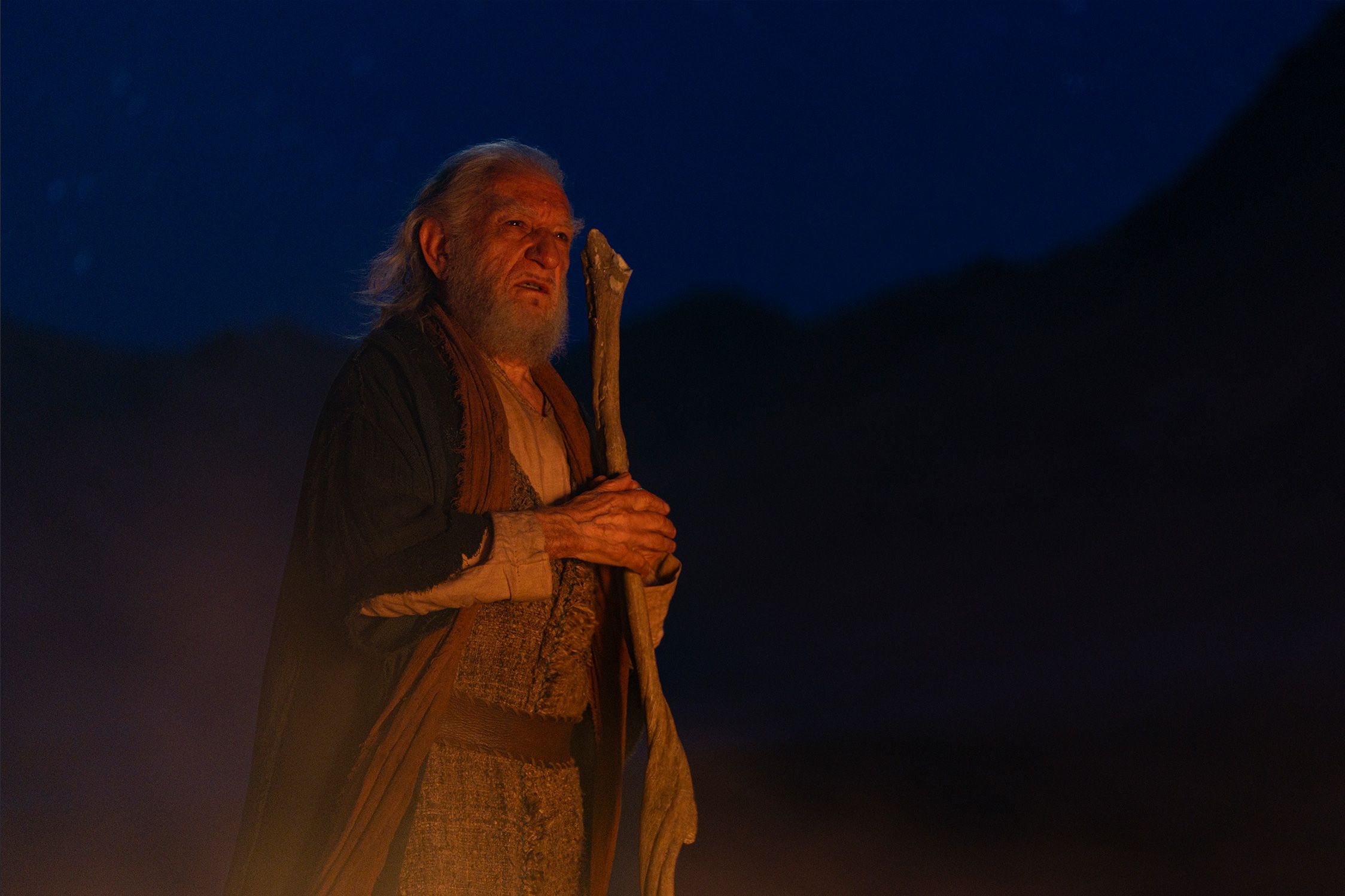
A Shepherd's Heart, A Nation's Hope
The story of Moses resonates through the ages, a testament to faith's transformative power and God's unwavering commitment to His people. More than just a historical figure, Moses embodies courage, resilience, and profound humility. His journey, fraught with challenges and divine encounters, offers enduring lessons for us today.
Imagine a man, raised in the opulence of Pharaoh's court, yet deeply aware of the suffering of his people. Moses's initial act, though born of righteous anger, led to exile, a period of profound shaping in the wilderness. Forty years tending sheep might seem insignificant for a man destined to lead a nation, but it was in those quiet years that God prepared Moses's heart. He learned patience, perseverance, and a dependence on something greater than himself. As Psalm 18:30 reminds us, "This God - his way is perfect; the word of the Lord proves true; he is a shield for all those who take refuge in him."
The Burning Bush and the Call to Destiny
The encounter at the burning bush marks a pivotal moment. God revealed Himself, not as a distant deity, but as the ever-present "I AM," a God intimately concerned with the plight of His people. This wasn't just a job offer; it was a sacred calling, a partnership with the divine. Moses, however, initially resisted. He questioned his abilities, his eloquence, even his worthiness. "Who am I that I should go to Pharaoh and bring the children of Israel out of Egypt?" (Exodus 3:11). This is a sentiment we can all relate to. How often do we feel inadequate when faced with challenges, doubting our capacity to fulfill God's purpose?
God's response to Moses is powerful: "I will be with you" (Exodus 3:12). This promise, this assurance of divine presence, is the cornerstone of faith. It's not about our strength or our eloquence; it's about God's power working through us. Think of the Apostle Paul, grappling with his own limitations, yet declaring, "My grace is sufficient for you, for my power is made perfect in weakness" (2 Corinthians 12:9). Moses's story teaches us that God doesn't call the qualified; He qualifies the called.
Confronting Pharaoh, Witnessing Miracles
Returning to Egypt, Moses, accompanied by his brother Aaron, faced Pharaoh, the most powerful ruler in the world. He delivered God's message: "Let my people go." Pharaoh's defiance unleashed a series of plagues, each a demonstration of God's power and a judgment on Egypt's false gods. These weren't random acts of nature; they were divine interventions, designed to break Pharaoh's stubborn will and liberate the Israelites.
The plagues highlight a crucial aspect of faith: God's sovereignty. He is not limited by human power or natural laws. He can and does intervene in the affairs of humanity to accomplish His purposes. As we navigate our own challenges, remembering God's sovereignty can bring immense comfort and strength. We may not understand His ways, but we can trust His heart. Proverbs 3:5-6 advises, "Trust in the Lord with all your heart, and do not lean on your own understanding. In all your ways acknowledge him, and he will make straight your paths."
The Exodus and the Wilderness Wanderings
The Exodus, the Israelites' escape from Egypt, is a symbol of redemption and liberation. It reminds us that God has the power to free us from bondage, whether physical, emotional, or spiritual. Crossing the Red Sea, with walls of water towering on either side, was a moment of unimaginable faith. It required trusting that God would provide a way where there seemed to be no way. And He did.
The wilderness wanderings, however, were a different kind of test. Forty years of hardship, hunger, and uncertainty challenged the Israelites' faith. They grumbled, complained, and even longed for the perceived security of Egypt. It's easy to lose sight of God's promises when faced with adversity. The wilderness experience teaches us the importance of perseverance, patience, and unwavering trust in God's provision. Deuteronomy 8:2-3 states, "And you shall remember the whole way that the Lord your God has led you these forty years in the wilderness, that he might humble you, testing you to know what was in your heart, whether you would keep his commandments or not. And he humbled you and let you hunger and fed you with manna, which you did not know, nor did your fathers know, that he might make you know that man does not live by bread alone, but man lives by every word that comes from the mouth of the Lord."
The Law, the Covenant, and the Heart of Worship
At Mount Sinai, God gave Moses the Ten Commandments, a moral compass for the nation of Israel. These commandments, far from being restrictive, were designed to protect and bless the people, establishing a framework for a just and righteous society. The giving of the Law was accompanied by the establishment of a covenant, a sacred agreement between God and His people. This covenant emphasized God's faithfulness and the Israelites' responsibility to obey His commands.
But obedience alone wasn't enough. God desired a relationship with His people, a relationship built on love, trust, and heartfelt worship. The construction of the Tabernacle, a portable sanctuary, symbolized God's presence among the Israelites. It was a place of prayer, sacrifice, and communion, where the people could encounter God and offer Him their praise. True worship, as Jesus later taught, is not merely a matter of outward rituals; it's a matter of the heart (John 4:24). It's about offering ourselves, our lives, as a living sacrifice to God, expressing our love and gratitude for His grace.
Moses's Imperfection and God's Grace
Moses, despite his extraordinary leadership, was not without flaws. His anger at Meribah, when he struck the rock instead of speaking to it, cost him the privilege of leading the Israelites into the Promised Land (Numbers 20:10-12). This incident serves as a reminder that even the most faithful servants of God are still human, prone to mistakes and failures. But God's grace is sufficient. Even in his imperfection, Moses remained a man of God, a leader chosen and used by Him.
Hebrews 11, the "hall of faith," recognizes Moses's unwavering trust: "By faith Moses, when he was grown up, refused to be called the son of Pharaoh's daughter, choosing rather to be mistreated with the people of God than to enjoy the fleeting pleasures of sin. He considered the reproach of Christ greater wealth than the treasures of Egypt, for he was looking to the reward" (Hebrews 11:24-26). His ultimate legacy is not one of perfection, but one of faithfulness, obedience, and unwavering devotion to God.
Lessons for Today: Living a Life of Faith
Moses's story offers several practical lessons for living a life of faith today:
- Embrace God's Calling: God has a purpose for each of our lives. Don't be afraid to step out in faith, even when you feel inadequate. Trust that He will equip you for the task.
- Trust in God's Provision: God promises to provide for our needs. Even in the midst of hardship and uncertainty, trust that He will never abandon you.
- Obey God's Commands: God's commands are not arbitrary rules; they are guidelines for living a life of blessing and fulfillment. Strive to obey His Word in all that you do.
- Cultivate a Relationship with God: Make time for prayer, worship, and Bible study. Seek to know God intimately and allow Him to transform your heart.
- Learn from Your Mistakes: We all make mistakes. Don't let them discourage you. Learn from them, seek forgiveness, and move forward in faith.
Moses's journey, from humble shepherd to the leader of a nation, is a powerful reminder that God can use ordinary people to accomplish extraordinary things. His story is a testament to the power of faith, the faithfulness of God, and the enduring legacy of a life lived in obedience to His will. Let us all strive to emulate Moses's unwavering trust and devotion, allowing God to lead us on our own journeys of faith.
As the prophet Isaiah declared, "But they who wait for the Lord shall renew their strength; they shall mount up with wings like eagles; they shall run and not be weary; they shall walk and not faint" (Isaiah 40:31). May we all find the strength to wait on the Lord, trusting in His timing and His perfect plan for our lives.
For more insights on moses, subscribe to our newsletter.
Reply