- Faith Activist
- Posts
- The Proposal Is Not the Point
The Proposal Is Not the Point
How couples can reclaim simplicity and intentionality in a culture obsessed with performance.
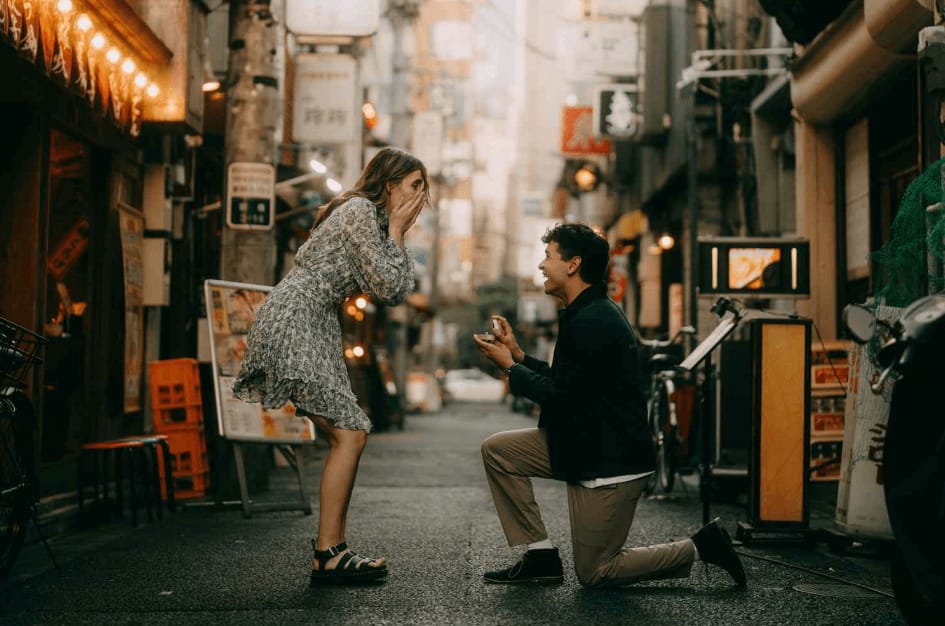
Somewhere along the way, proposals stopped being conversations and started becoming productions.
What was once a meaningful exchange between two people has quietly evolved into a high-pressure performance. Hidden photographers, perfectly timed sunsets, curated outfits, and carefully choreographed surprises now dominate the script. The pressure isn’t just to propose it’s to go viral. If the moment doesn’t feel “big enough,” it’s easy to wonder if it counts at all.
And yet, the proposal was never meant to be the destination. It's a doorway a moment of clarity and commitment pointing toward a future built not on performance but on faithfulness. The moment matters, but the marriage matters infinitely more.
The Weight of a Moment
Social media didn’t invent pressure, but it certainly inflated it. Proposals, weddings, and even relationships have become content, packaged and posted for public consumption. Comparison is the air we breathe, and even couples with no intention of putting on a show can feel quietly insecure if their proposal doesn't match the highlight reels of others.
But in all this pressure, something gets lost the why behind the question. The proposal becomes less about a shared future and more about a single, flawless moment. Expectations take over. Joy gets edged out by anxiety.
Relationship expert Debra Fileta puts it plainly: “When we see marriage as our sole purpose, we find ourselves with nowhere to go when we finally arrive.”
That wisdom applies equally to engagement. When the proposal is treated as the emotional finish line, it buckles under weight it was never meant to bear. No proposal no matter how creative can validate a relationship, guarantee happiness, or prove worth. That kind of pressure can distort what was meant to be sacred.
Proposals Are Conversations, Not Performances
Much of today’s pressure stems from the belief that the proposal must be cinematic and shocking that the one being asked should be completely surprised, caught unaware, ideally tearful and overwhelmed. But surprise isn't the same as depth, and shock value doesn’t equal clarity.
Healthy proposals are rooted in ongoing, honest conversations about faith, finances, expectations, and the kind of life a couple wants to build together. They’re rooted in intentionality, not spectacle. Often, the most important parts of a proposal happen long before a ring appears.
Fileta emphasizes that readiness trumps romance. What matters most is not how creatively the question is asked, but how freely both people choose the answer. She writes, “Choosing to love someone is so much more meaningful than needing someone to love.”
That difference is everything. One is driven by security and mutual respect; the other, by pressure or fear of being alone. And only one builds a foundation strong enough to carry the weight of real marriage.
Dismantling the Cultural Script
There is no biblical template for a perfect proposal. Scripture places weight on covenant, not on choreography. What matters is not whether a couple follows the modern script but whether they honor one another, seek God’s wisdom, and commit with open eyes.
For some, this will mean a quiet conversation in a meaningful place. For others, it may involve close friends and family. For couples grounded in faith, it may mean prayer and spiritual discernment take center stage. The beauty is in the fit not the flair.
And this includes letting go of assumptions about how engagement “should” feel. The proposal is not meant to answer every question, cure every fear, or promise an easy road. It is, simply and profoundly, a mutual agreement to move forward in faith, one step at a time.
The Church Isn’t Immune to the Pressure
Even within Christian culture, engagement can become a performance. There are unspoken expectations spiritual symbolism, well-crafted testimonies, the idea that engagement is a reward for “doing things right.” That mindset adds even more pressure to an already weighty moment.
But engagement is not a spiritual finish line. It’s the beginning of a different kind of faithfulness one that requires patience, humility, and perseverance. No perfect proposal can substitute for the quiet, daily work of love.
Paul’s words to the Corinthian church still ring true:
“Love is patient and kind; love does not envy or boast; it is not arrogant or rude. It does not insist on its own way . . . Love bears all things, believes all things, hopes all things, endures all things.” 1 Corinthians 13:4–7
These are not the values of a performance, but the hallmarks of a covenant.
Reclaiming Simplicity
In a world obsessed with spectacle, choosing simplicity can feel like rebellion. But simplicity is not laziness. It’s clarity. Confidence. Trust that the moment doesn’t need to be proven to be meaningful.
And ironically, when the pressure lifts, joy follows. Couples are free to focus on what truly matters: who they are becoming together, how they align in values and faith, and what it means to build a life on something deeper than trends.
Years from now, few will remember the exact details of a proposal. The lighting, the location, the viral-worthy moment it all fades. What endures is the decision: the choice to love, to serve, to honor, and to build.
That’s the moment that matters most.
Share this article or subscribe to our newsletter for updates with someone who needs a reminder that love isn’t a performance it’s a promise.
Reply