- Faith Activist
- Posts
- The Meaning of Fasting, Feasting, and Daily Bread
The Meaning of Fasting, Feasting, and Daily Bread
How Christ’s example and our bodies reveal God’s design for food, discipline, and delight.
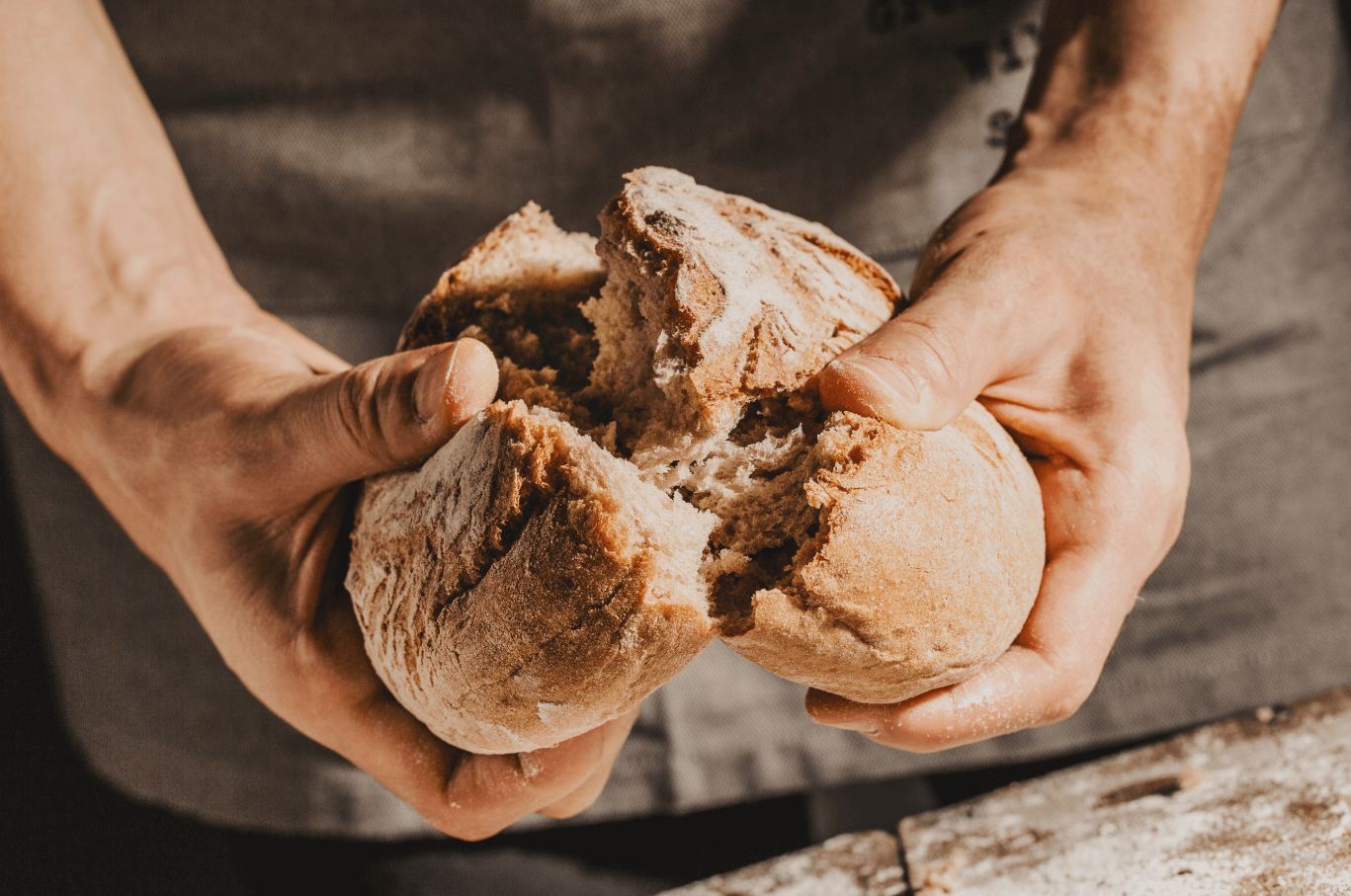
What do forty days without food and a meal shared among friends have in common? At first glance, not much one is deprivation, the other enjoyment. Yet as Christians, both fasting and feasting help shape our relationship with God, our bodies, and the world he made.
From Henry Tanner’s famous 1880 fast in Manhattan to Jesus’s example of both meals and fasts, the human body reveals a remarkable ability to navigate abundance and hunger. But beyond biology lies a deeper truth: God designed eating and abstaining not merely for health but for spiritual formation. Understanding this helps us see how our daily bread whether eaten, withheld, or celebrated draws us closer to Christ.
God Made Us to Eat and to Enjoy It
When God created the world, he did more than make plants and animals he made them good for food (Genesis 2:9). Human bodies were designed for nourishment, pleasure, and communion around meals. This isn’t trivial; it’s foundational.
For centuries, people ate what the land produced. Under the Old Covenant, certain dietary laws helped shape Israel’s identity and reliance on God. But with Christ, a new freedom arrived. Jesus declared all foods clean (Mark 7:19; Romans 14:20), not to promote gluttony, but to show that food itself is not the issue the heart is.
And Jesus ate often. He shared meals at weddings (John 2:8–9), with tax collectors (Luke 5:29), and at feasts that captured the joy of community. Jesus even used feasts as pictures of the Kingdom (Matthew 22:2–9). Meals aren’t incidental in Scripture they are sacraments of welcome, fellowship, and joy.
In Luke 14:13–14, Jesus assumes his followers will feast: “When you give a feast… invite the poor, the crippled, the lame, the blind.” Not “if” you feast but when you feast. Food is a gift to be shared in gratitude.
Yet Jesus also warns against constant, self-indulgent feasting. In the parable of the rich man and Lazarus, the rich man “feasted sumptuously every day” (Luke 16:19), a cautionary picture that challenges our culture of daily excess.
Jesus and the Practice of Fasting
Jesus didn’t only feast; he also fasted. Most famously, he fasted in the wilderness for forty days (Matthew 4:2). While Scripture doesn’t detail how he fasted (water or no water), it does highlight his human hunger a visible sign of spiritual preparation and dependence on God.
In teaching his disciples, Jesus again assumes fasting: “When you fast…” (Matthew 6:16–17). He doesn’t prescribe schedules, but he acknowledges that fasting is part of the rhythm of following him. Elsewhere, early Christians fasted with prayer (Acts 13:2–3; 14:23), signaling that abstaining from food often accompanies deep dependence on God.
But Jesus also warns against empty fasting. In Luke 18, a Pharisee boasts, “I fast twice a week,” while a humble tax collector simply asks for mercy. Jesus commends the latter. The lesson? Fasting without humility is hollow. True fasting isn’t a spiritual badge it’s an act of devotion that turns our hearts toward God.
The prophets echo this: fasting is not merely going without food, but seeking justice, compassion, and wholehearted worship (see Isaiah 58).
More Than Feasting or Fasting Our Daily Bread
Between feasting and fasting lies most of our life: daily eating, the simple act of nourishing ourselves. Jesus taught us to pray, “Give us this day our daily bread” (Matthew 6:11). This isn’t a small request. It is a confession: we depend on God for every meal, every moment, every breath.
Daily bread teaches self‑control. In an age of abundance, where food is a constant option rather than a scarce blessing, moderation becomes a spiritual discipline. Paul reminds us that everything God made good is to be received with thanksgiving (1 Timothy 4:4–5). Whether we eat or fast, whether we feast or abstain, every meal offers a chance to honor God.
But many of us have never learned moderation. The Standard American Diet (SAD) is aptly named abundant, indulgent, and often unconscious. Yet our bodies, wonderfully made, are capable of much more than we assume. With thoughtful practice, we can develop metabolic flexibility a capacity to thrive in both eating and fasting, reflecting a deeper spiritual flexibility.
In Eat, Fast, Feast, Jay Richards suggests that evolving our habits can help us embrace both gratitude and discipline. Training our bodies this way is not ends-oriented for health alone but points to a greater truth: our dependence on God surpasses even our need for food.
Food and Faith: A Kingdom Perspective
Paul puts it beautifully: “Whether you eat or drink, or whatever you do, do all to the glory of God” (1 Corinthians 10:31). And again, “In the name of the Lord Jesus… give thanks to God the Father” (Colossians 3:17). Every meal, every fast, every moment between becomes an opportunity to live out our faith.
This isn’t legalism. It’s everyday discipleship learning to honor God in ordinary activities, even those as simple as eating.
From Eden to the new creation, food has a place in God’s story. Jesus, the God‑man, feasted with friends and fasted in the wilderness. He invites us into both not as rituals for their own sake, but as practices that shape our hearts toward him.
In the age to come, at the Marriage Supper of the Lamb, we will feast without restraint, celebrating redemption in perfect communion. But today, we learn the art of moderation and dependence: to eat with gratitude, to fast with humility, and to ask daily for the bread only God can give.
A Life, Not a Diet
Whether you feast, fast, or simply eat your daily bread:
Eat with thanksgiving. God gave you food and fellowship to enjoy.
Fast with humility. Let hunger drive you toward deeper reliance on God.
Receive God’s daily provision. In every ordinary meal lies a chance to trust the Provider.
Our bodies, wonderfully made, respond with resilience and adaptability. Likewise, our souls are invited into rhythms of joy and discipline, celebration and dependence, honoring the God who sustains us.
So whether today’s plate is full or empty, let every bite and abstention draw you closer to the one who said, “Man shall not live by bread alone, but by every word that comes from the mouth of God.” (Matthew 4:4)
If this encouraged you, share it with a friend or subscribe to our newsletter for more reflections that nourish the soul.
Reply