- Faith Activist
- Posts
- What to Do With Grief When Tragedy Feels Too Heavy
What to Do With Grief When Tragedy Feels Too Heavy
In a world wounded by violence and grief, the Gospel calls us not to retreat but to respond with presence and hope.
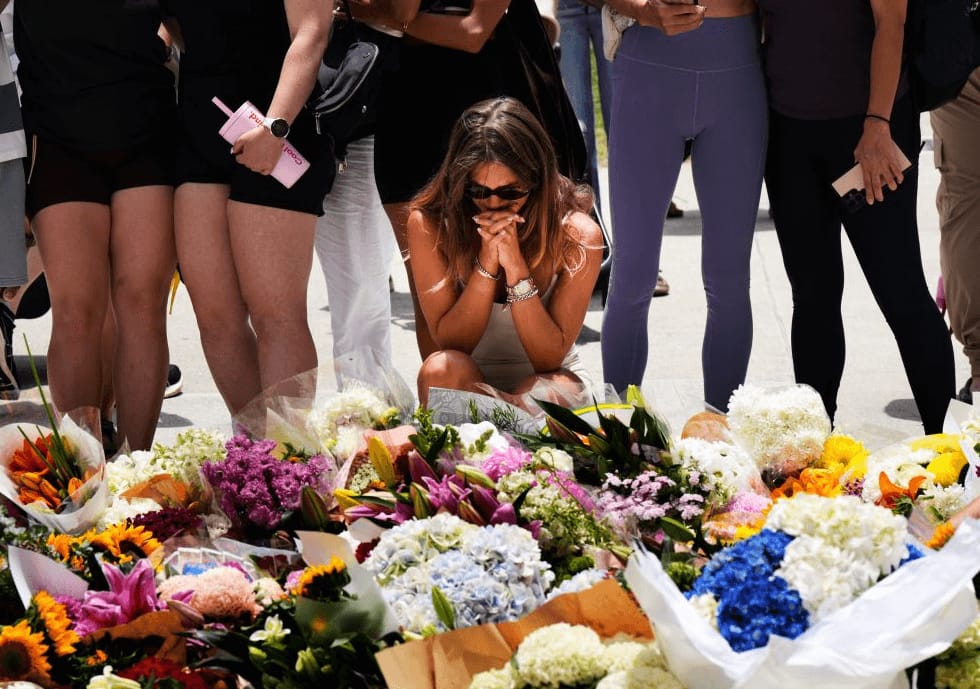
Mass shootings. Homicides. Lockdowns. Newsfeeds filled with loss and confusion.
When multiple tragedies happen in rapid succession, as they did recently in Sydney, Los Angeles, and at Brown University, it’s easy to feel emotionally and spiritually paralyzed. These aren’t abstract events they are real, raw, and close to home. Real people died. Real families are grieving. And many of us, though untouched directly, feel the weight of it all pressing in.
What do we do when the grief becomes too much to process?
Naming the Pain
Scripture never glosses over the presence of suffering. From Genesis to Revelation, the Bible is honest about a world cracked by sin, marred by violence, and filled with loss. Pain is not an interruption to the human story it is part of it.
And yet, the biblical story doesn’t end in grief.
When tragedies stack on top of each other, a mix of sorrow, fear, and even anger is natural. But underneath those emotions lies an aching question that often resurfaces in moments of chaos Where was God?
For some, this question isn’t theological it’s personal. Why didn’t God intervene? Why does He allow suffering to continue, even as people pray for protection?
Scripture doesn’t offer easy answers. What it gives us instead is a Savior who didn’t remain distant from suffering. Jesus didn’t simply explain pain He entered it. He wept at the tomb of His friend Lazarus (John 11:35). He felt the sting of betrayal, injustice, and death. He didn’t hover above our grief; He bore it.
Why the World Hurts
At the root of all this pain is a deeper spiritual truth: the world is not as it should be. Romans 8:22 says creation is groaning. Human freedom, misused, leads to devastating outcomes. Evil is real and active.
This tension was captured vividly by C.S. Lewis, who wrote:
“He seems to do nothing of Himself which He can possibly delegate to His creatures... We are not mere recipients or spectators. We are either privileged to share in the game or compelled to collaborate in the work...”
God doesn’t control the world through force. He chooses to work through people, giving them freedom, dignity, and responsibility. That also means our choices matter sometimes with heartbreaking consequences.
But if we believe God is sovereign, this can feel unbearable. And yet, the Christian response is not passive surrender. It is faithful participation.
Grief and the Presence of God
When tragedy strikes, God’s people are not called to spiritual retreat but to redemptive presence.
We see this in the early church, which ran toward suffering, not from it. Christians cared for the sick during plagues, fed widows, comforted the grieving, and welcomed orphans. They didn’t wait for perfect conditions to love they responded in the midst of darkness.
Where was God? He was and still is working through His people.
Which leads us to a second question: Where are we?
When violence breaks hearts and communities, the church must become more than a place of worship. It must become a place of refuge. Of healing. Of practical hope. This means showing up with meals, with time, with tears, and with the unshakable presence of Christ in us.
Hope That Stands Firm
This doesn’t mean pretending fear doesn’t exist. Fear is normal in the face of evil. But fear doesn’t get the final say.
The Gospel calls us to hope not empty optimism, but a deep confidence in God’s promises. The kind of hope that sits with a grieving family and listens. The kind that holds someone’s hand at a funeral and whispers, “This isn’t the end.”
That hope is lived out in small, daily choices:
Delivering meals quietly to those in shock.
Opening church doors not just on Sunday, but during the week for those who need shelter.
Checking on neighbors.
Choosing compassion over cynicism.
Refusing to isolate in the name of safety.
Hope isn’t abstract. It is active.
What the Church Must Remember
The world says retreat. The Gospel says respond.
God never promised we would avoid suffering. He promised His presence in the midst of it. Jesus Himself said, “In this world you will have trouble. But take heart; I have overcome the world.” (John 16:33)
Revelation 21:4 promises a future where death, mourning, crying, and pain will be no more. Until that day, we are called to live faithfully in this one.
When tragedy makes the world feel unbearably heavy, don’t give in to despair. Do what Christ did. Move toward brokenness. Carry someone else’s grief. Be light in dark places.
Go outside. Love deeply. Serve generously. Live as if resurrection is real—because it is.
If this encouraged you, share it or subscribe to our newsletter to get more reflections like this.
Reply